Anterior hip replacement is a modern surgical technique that replaces the damaged parts of the hip joint through a small incision at the front of the hip. This muscle-sparing approach helps reduce pain, speed recovery, and support a quicker return to everyday movement.
Our orthopaedic surgeons in Adelaide and South Australia specialise in anterior hip replacement, using advanced techniques and high-quality implants designed for comfort, stability, and long-term performance.
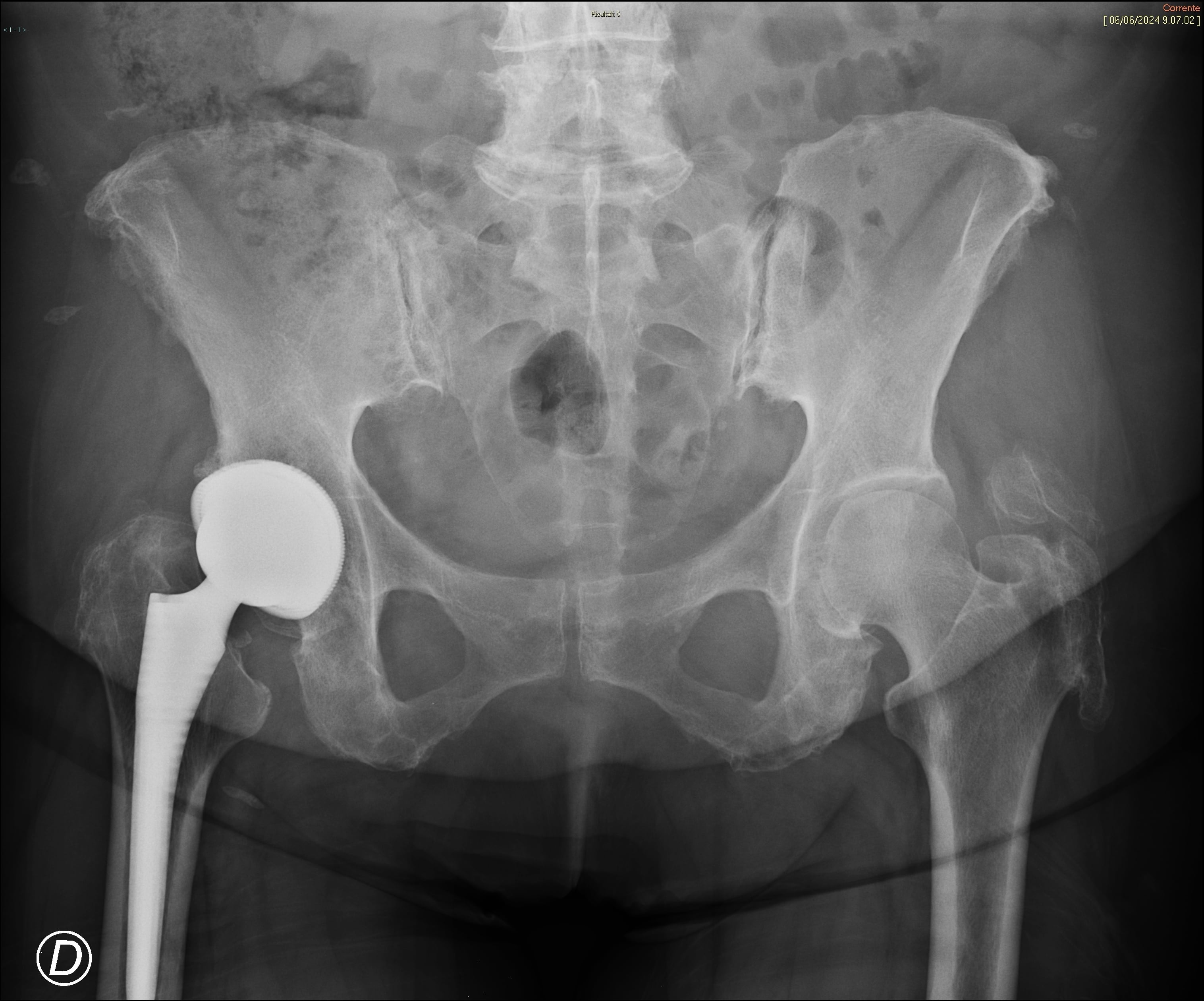
Anterior hip replacement is performed under spinal or general anaesthetic. Your surgeon removes the damaged bone and cartilage, then positions a new artificial joint designed to replicate your hip’s natural shape and motion.
Because muscles and tendons are preserved during surgery, most patients:
Begin walking with support within a day or two.
Spend fewer days in hospital.
Require less post-operative pain relief.
Return to daily activities sooner compared to traditional hip replacement methods.
What Is an Anterior Hip Replacement?
A hip replacement involves removing damaged bone and cartilage and replacing them with prosthetic components. In the anterior approach, the incision is made at the front of the hip, allowing the surgeon to reach the joint by working between muscle layers rather than cutting through them.
Reduce post-operative pain and muscle weakness.
Reduce post-operative pain and muscle weakness.
Minimise the risk of dislocation.
Minimise the risk of dislocation.
Support earlier walking and rehabilitation.
Support earlier walking and rehabilitation.
Shorten hospital stay and overall recovery time.
Shorten hospital stay and overall recovery time.
Care close to home
Recovery and Rehabilitation
Every recovery is unique, but most patients in Adelaide can expect:
Short hospital stay (often 1–3 days).
Walking aids (such as a cane or walker) for the first week or two.
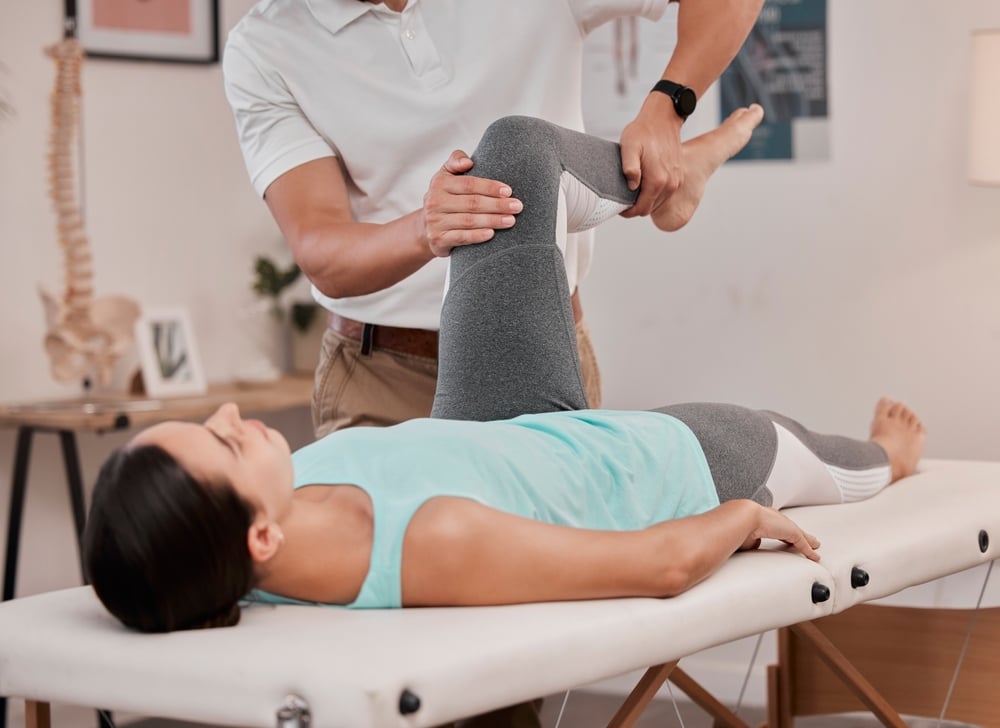
Gradual increase in activity under physiotherapy guidance.
Return to driving after 4–6 weeks (depending on progress).
Full recovery within three to six months.
Your care team will provide personalised instructions for safe exercise and movement, ensuring the best long-term outcome.